
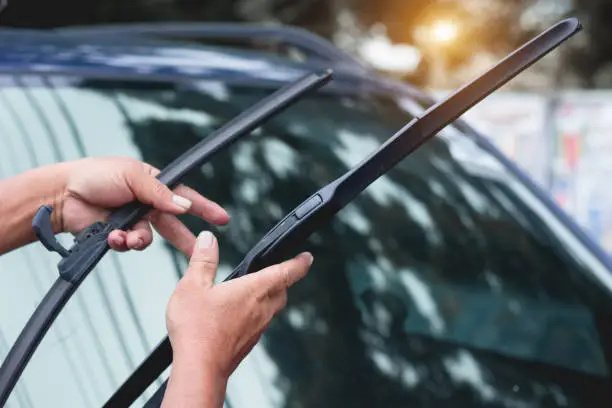

Windshield wipers are an important component of any car. Having broken windshield wipers can present you with visibility troubles during rain, snow, and unexpected weather conditions. That’s why maintaining the condition and ensuring they’re not just working but working efficiently is crucial to driving safety. So, how often should you replace your windshield wipers? Continue reading to learn more.
How Often Should You Replace Your Windshield Wipers?
General Replacement Timeline
Windshield wiper replacement generally occurs every 6 – 12 months, depending on the condition. Many factors can cause your wipers to deteriorate over time, including weather conditions such as sun exposure, heat and cold, friction with dust and debris, and driving habits. If you live in an area with harsh weather, you may need to replace them sooner than someone who lives in a milder climate with less extreme conditions.
Seasonal Considerations
Using the proper windshield wipers can help them last longer. Different seasons necessitate different kinds of windshield wipers. For example, standard wipers are multi-purpose blades suitable for general use. These wipers perform well in mild rain, snow, and moderate temperatures. However, they are not suitable for use during the winter or in harsh weather.
As the name suggests, winter wipers are designed for cold and snowy weather. They have a rugged edge and are encased in a rubber boot to keep ice from clogging the blade or frame, ensuring proper windshield contact. Unlike standard wipers, which can stiffen in cold temperatures, the rubber in winter wipers is also more flexible and resistant to freezing temperatures.
If you live in an area that experiences both mild and extreme weather, prepare these different windshield wipers and switch between the two as the seasons change.
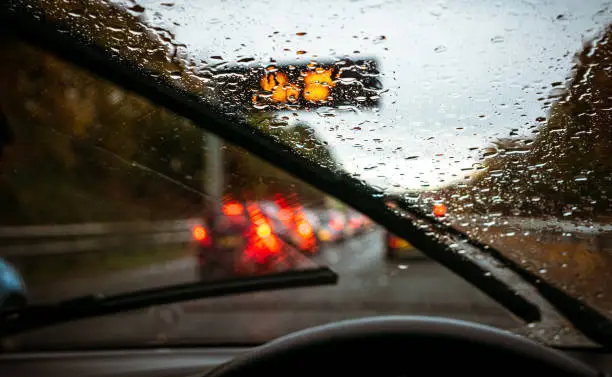
Signs It’s Time for a Windshield Wiper Replacement
How often should you replace your windshield wipers? Here are some signs that it’s time.
Streaking or smearing: If your wipers streak or smear water and do not clear it away, this could indicate that the rubber is worn out. Try using your wipers when it is lightly raining to see if they can effectively clear the rain. If they fail, replace them.
Squeaking or chattering sounds: A high-pitched squeaking sound is an obvious indication that your wipers are on their way to replacement. This indicates that either the rubber has degraded or the blade is misaligned. This could be due to age, UV damage, or debris stuck on the windshield.
Visible cracks or tears in the blades: Inspect the wipers for cracks, splits, or tears. Damaged blades will not wipe effectively and may instead scratch your windshield.
Poor performance in rain or snow: If you notice a problem with visibility when it rains or snows, your windshield wipers are obviously not working correctly. If they can’t keep up with clearing your view, replace them right away, as this is a serious safety risk.
Uneven or skipping motion: Your wipers should glide smoothly. Any patchy performance, such as uneven or skipping motion, indicates that the rubber is warped or the spring tension has failed. As a result, some spots will be cleared, while others will not. Replace to ensure that all parts of the windshield are free of spots.
How to extend the life of your windshield wipers
Regular cleaning and maintenance
After a long period of driving, your car’s windshield wipers will accumulate dirt and grime. Regular cleaning and maintenance ensure that this buildup does not remain on the windshield for too long and maintains clear visibility, thereby preserving its effectiveness and longevity. Use mild soap and water to gently wipe the blades’ rubber. Clean every 1 – 2 months, or more often if you frequently drive on dusty or muddy roads.
Proper storage and positioning in winter
Where you park your car can also have an impact on how long your windshield wipers last. During the scorching summer months, park your car in the shade away from the sun to protect the wipers from UV rays, which can crack the rubber with time. Similarly, in cold winters, lift the wiper arms from the windshield to keep them from freezing to the glass.
Check and replace windshield washer fluid
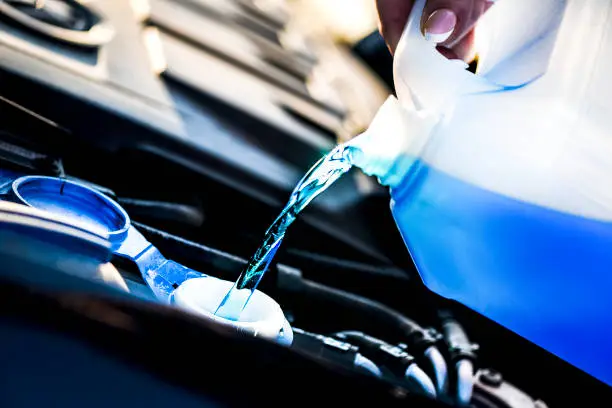
The washer fluid is another component of windshield wipers that can make or break them. The washer not only cleans the windshield but also keeps the rubber lubricated, which is critical for reducing friction and wear. Check the washer fluid reservoir to ensure it’s not running low. You should also use the appropriate fluid for your current climate. For example, there are fluids designed for summer and fluids with antifreeze for winter.
End Note
Properly functioning windshield wipers are a major contributor to safe driving. You need windshield wipers to see clearly while driving, especially during rain and snow. How you maintain the wipers also has a significant impact on their durability and longevity. Regular maintenance, parking away from damaging elements, and keeping the correct fluid and levels will all help to keep your windshield wipers effective in providing good visibility for your daily driving.
Check out Rohrich for all your vehicle needs. We have a complete lineup of quality used and new cars as well as a service center. Contact us today and experience the exceptional Rohrich Advantage.