
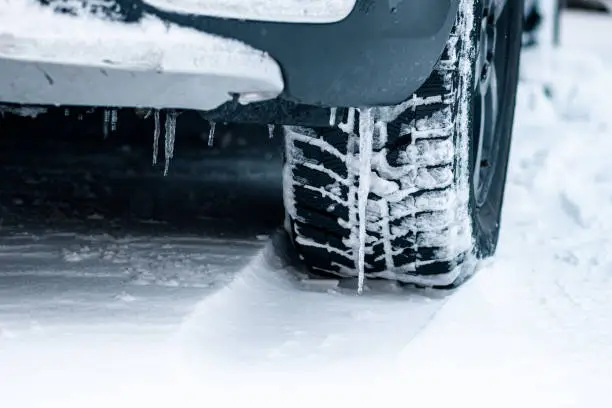

Winter car maintenance is a crucial step in keeping your vehicle running smoothly, especially when the weather is cold, wet, and snowy. You don’t want to be stranded in freezing temperatures and snow because your car decided to break down in the middle of nowhere. Below are our winter car maintenance tips to help ensure your vehicle can withstand the season and beyond.
1. Check Your Battery Health
The freezing winter weather can slowly but surely reduce your battery power. It’s estimated that battery capacity can drop by as much as 20 percent in freezing temperatures and up to 50 percent at temperatures below zero. That’s why, during winter, you should check your battery regularly to ensure it has sufficient power to support your journey. Use a multimeter, or borrow one from an auto parts store, which is usually free. Moreover, inspect your battery for corrosion and ensure it’s always clean of debris and contaminants to prevent any issues with the connection to the terminals.
2. Inspect Tires and Switch to Winter Tires if Needed 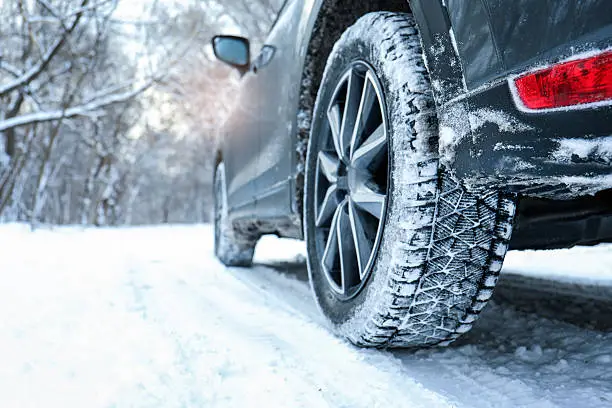
Next, ensure the car’s tires are in good condition with sufficient tread depth for adequate traction. Ideally, it shouldn’t be below 6/32″, otherwise it’ll lose grip on the snow. You can measure the depth by using a simple way, such as the penny test: If Lincoln’s head is visible, you want to replace your tires. You also want to ensure your tire is suitable for winter driving conditions. If harsh winter weather strikes, such as severe snow conditions, switch to dedicated winter tires, like those marked with a 3-peak mountain/snowflake symbol, which provide superior traction, braking, and handling.
3. Replace Wiper Blades and Refill Wiper Fluid
Visibility is one aspect that can significantly hinder your driving in winter conditions. By ensuring your wiper blades and fluids are in good condition and sufficient, you can drive with confidence and maintain good visibility. Consider replacing your blades every 6 – 12 months, and use winter-grade blades and fluid to prevent ice buildup.
4. Keep Your Gas Tank at Least Half Full
Little do people know, but a car’s fuel line can actually freeze in the winter due to condensation. To avoid this, keep your gas tank at least full, and in extreme weather conditions, add a fuel system de-icer every few fill-ups. Another good reason to keep your car’s gas tank half-full is to ensure you have enough fuel to warm up the vehicle, especially in cases where you get stuck in traffic.

5. Test Your Heater and Defrosters
Besides your vehicle’s wiper blades, a broken heater can cause trouble with visibility. A failed heater can cause windows to fog up, making it impossible to drive. Before you go, run the heater and defrosters for 5-10 minutes to see how it performs. If it fogs, check the cabin air filter and coolant level. If it’s dirty, you want to replace it, and if that still doesn’t solve the problem, the issue may lie in the heater or blower motor.
6. Change to Winter-Grade Oil if Needed
Regular oil, which is thicker, may decrease engine protection during cold starts because it takes longer to circulate, increasing engine wear. Check your vehicle’s manual to see if it recommends switching to a winter-grade oil, which typically has a lower viscosity that helps it flow better in cold weather and resist breakdowns.
7. Check Antifreeze Levels and Coolant Mixture
The coolant acts as a regulator of engine temperature, which is crucial in preventing the engine from freezing or overheating. Use a standard 50/50 mix of antifreeze and distilled water, which can protect the engine up to -34°F. To determine the coolant’s freezing point protection level, use an antifreeze hydrometer, which can be purchased at most auto shops. Also important to note when topping off coolant is to use the same type and color of coolant already in the system to prevent chemical incompatibility.
8. Clean and Protect Your Car’s Exterior 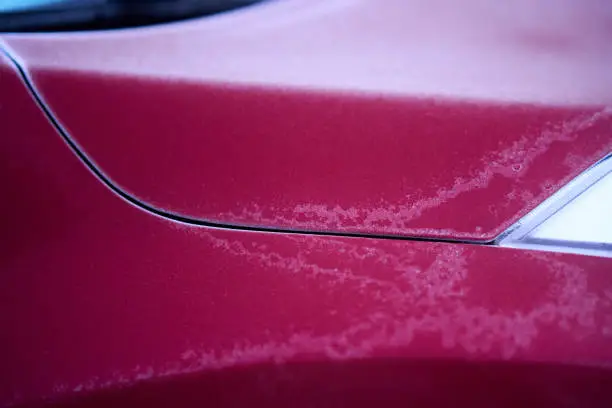
The winter weather can also be damaging to your car’s appearance. For example, the road salt, which is typically used to help prevent and melt ice during winter, can accumulate in a car’s body and accelerate rust. The ice and snow can also scratch the paint. To minimize damage and keep your car shiny, wash it regularly and apply wax or sealant for paint protection.
9. Pack a Winter Emergency Kit
Winter car maintenance also means having an emergency kit ready in your car, in case the unwanted circumstances do occur, such as sudden breakdowns in remote areas. Some essential tools to have are jumper cables & portable jump pack, a blanket, gloves, a hat, hand warmers, non-perishable snacks & water, a flashlight & extra batteries, ice scrapers, and a snow brush.
10. Schedule a Professional Multi-Point Inspection
The best way to prevent major issues with your vehicle is to have regular winter car maintenance by a professional. This is especially true if you’re still not confident in how to perform any of our tips above. The pros understand what your car needs, how to fix any issues, and have all the necessary tools to perform effective inspections and repairs.
Conclusion
Winter poses real challenges for both drivers and their cars. Its weather conditions, which can include heavy snow, freezing temperatures, and icy roads, can be a disaster if safety and maintenance aren’t prioritized. Before the winter weather kicks in, make sure your car is in top condition so that it can continue to provide you with a safe and comfortable ride.
Inspect your vehicle today. Check the battery health, inspect the tires, replace the wiper blades and fluids, ensure the proper oil and coolant mixture, clean your car regularly, and keep an emergency kit ready at all times. Remember, preventive care now equals fewer issues during harsh weather.
Need help getting your car winter-ready? Schedule a service appointment at your nearest Rohrich dealership today. Our expert technicians are here to keep you safe on the road this winter.